Departmental Ledger
At a Glance
Career Paths
Government Graduate College Asghar Mall, Rawalpindi · est. 1948
The Department of Economics has trained analytical and policy thinkers since the college's founding in 1947, launching the region's first MA Economics programme in 1964. Six decades of academic leadership — from Dr. Akhtari Shareef through Prof. Iqbal Bakhat, Prof. Ghazanfar Mehmood Bhatti, Prof. Altaf Hussain, and Prof. Sajid Ali to today's Head of Department, Dr. Irfan Nazir — have built a department committed to quality teaching, research, and evidence-based analysis, preparing graduates to understand socio-economic issues at local, national, and international levels.
Vision: To become a leading centre of excellence in socio-economic education, research, and policy analysis — producing graduates equipped with analytical expertise, ethical values, innovative thinking, and leadership qualities to contribute to sustainable socio-economic development.
Mission: A curriculum aligned with HEC and international standards, built around research, innovation, and evidence-based economic analysis — developing analytical, quantitative, and critical thinking skills, ethical values, leadership, and social responsibility, and strengthening collaboration with academia, industry, and government to prepare graduates for professional careers and higher education.
Also Offered: Lateral Entry (Post Associate Degree)
BS Economics — 5th Semester (Lateral Entry) — direct entry into 5th semester for students who've completed an Associate Degree (Associate Degree (B.A./B.Sc., 4 Semesters) or equivalent), rather than starting BS from 1st semester.
Remaining Duration: 2 Years (Semester 5–8)
The Faculty
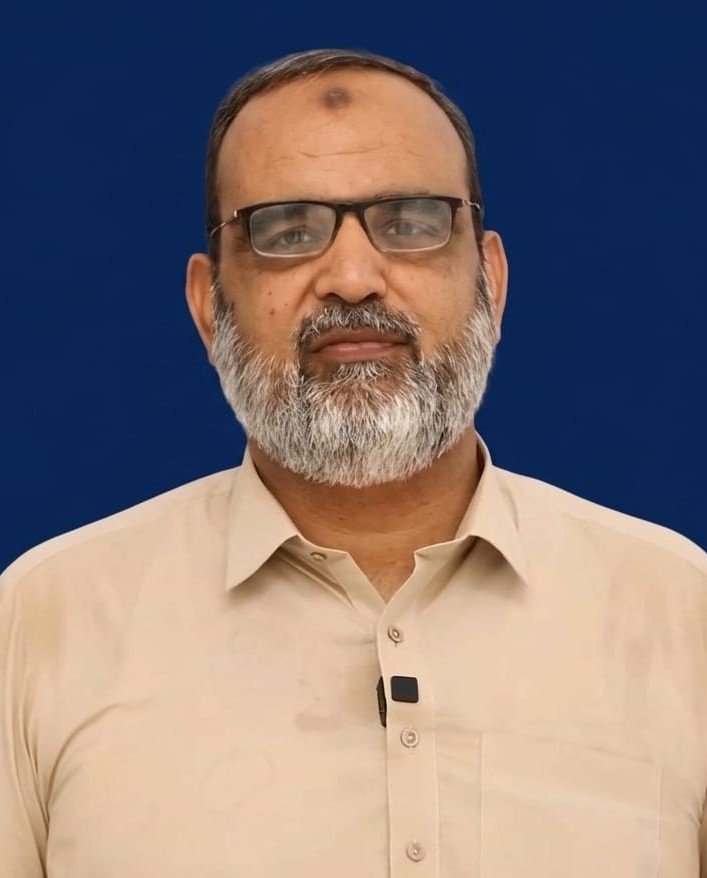
Dr. Irfan Nazir
Associate Professor & Head of Department · M.Phil., PhD (FUUAST) — Climate Economics, International Trade Liberalization
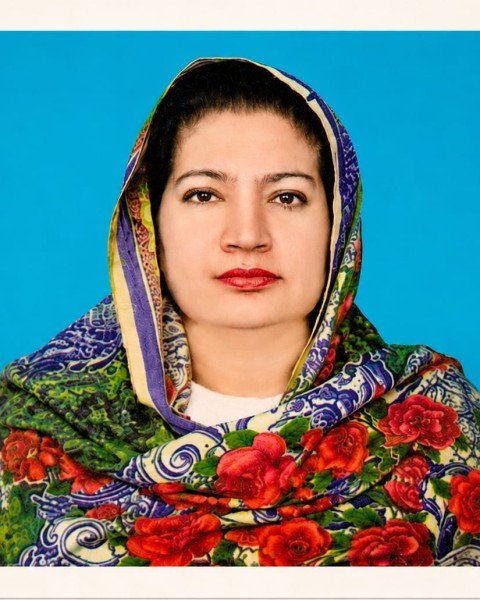
Dr. Tehmina Yasmin
Associate Professor · PhD Economics, PMAS-Arid Agriculture University — Income Inequality, Poverty, Fiscal & Monetary Policy
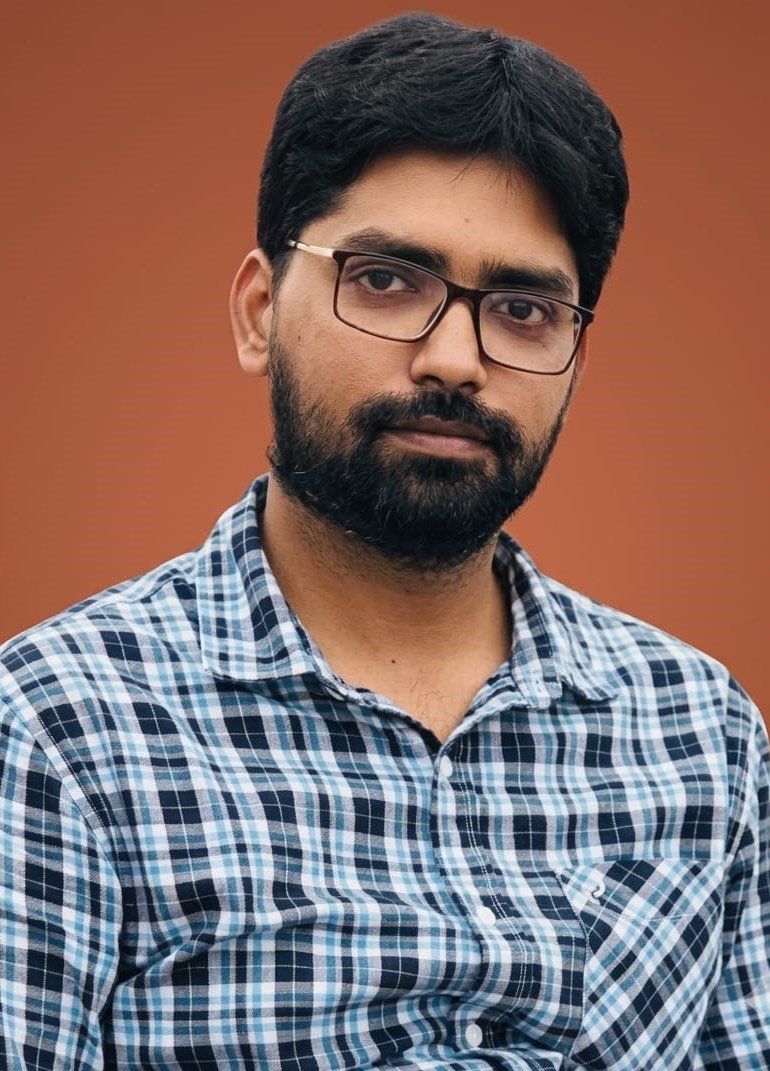
Nayyar Abbas
Assistant Professor & Controller of Examination · M.Phil. Economics, PMAS-Arid Agriculture University — Econometrics, Mathematical Economics, Research Methods, Microeconomics
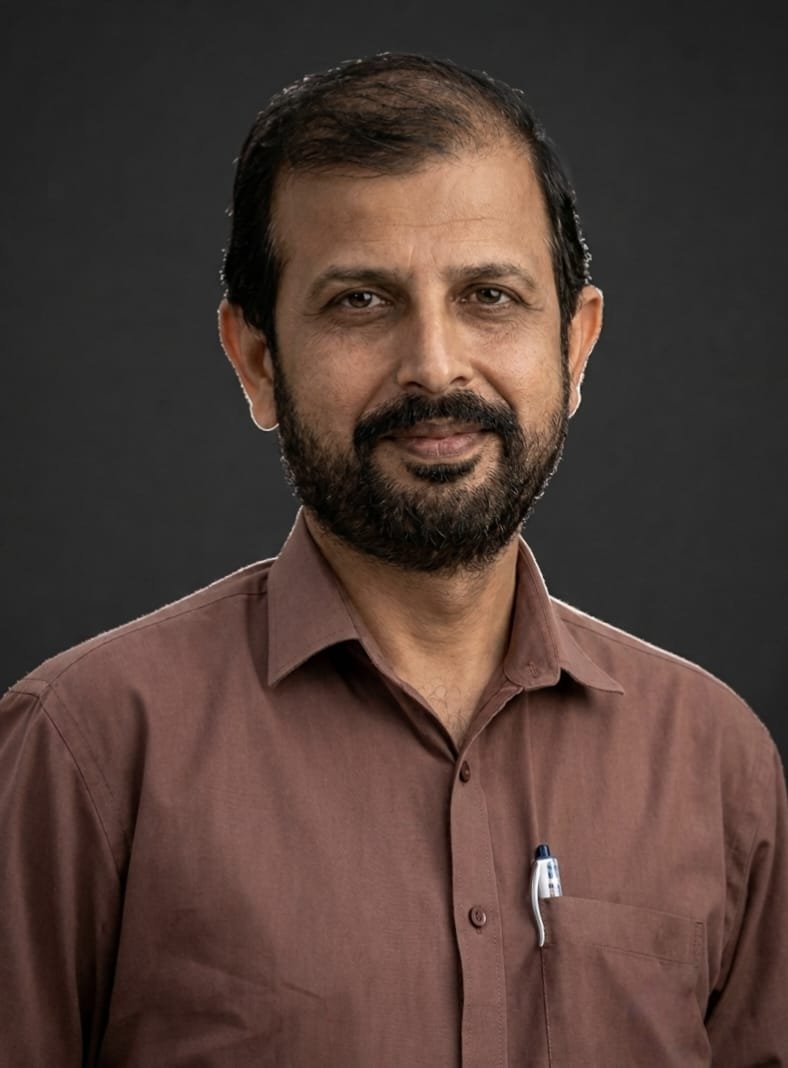
Rana Touseef Nisar
Assistant Professor · M.Phil. Economics, MBA Finance, PMAS Arid Agriculture University — Microeconomics, Macroeconomics, Econometrics, Project Appraisal
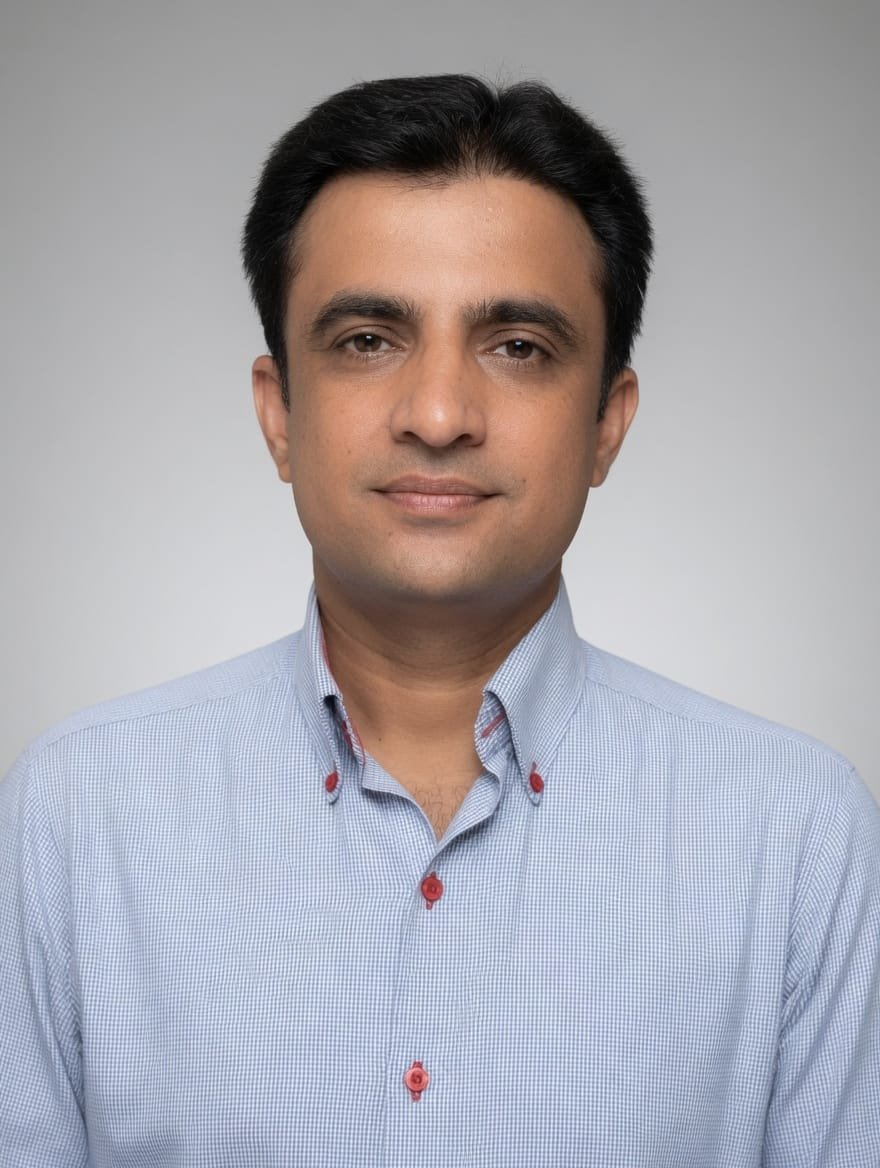
Dr. Usman Ali
Assistant Professor · PhD, Dalian University of Technology, China — Technology Change & Innovation, International Business, Digital Transformation, Macroeconomics
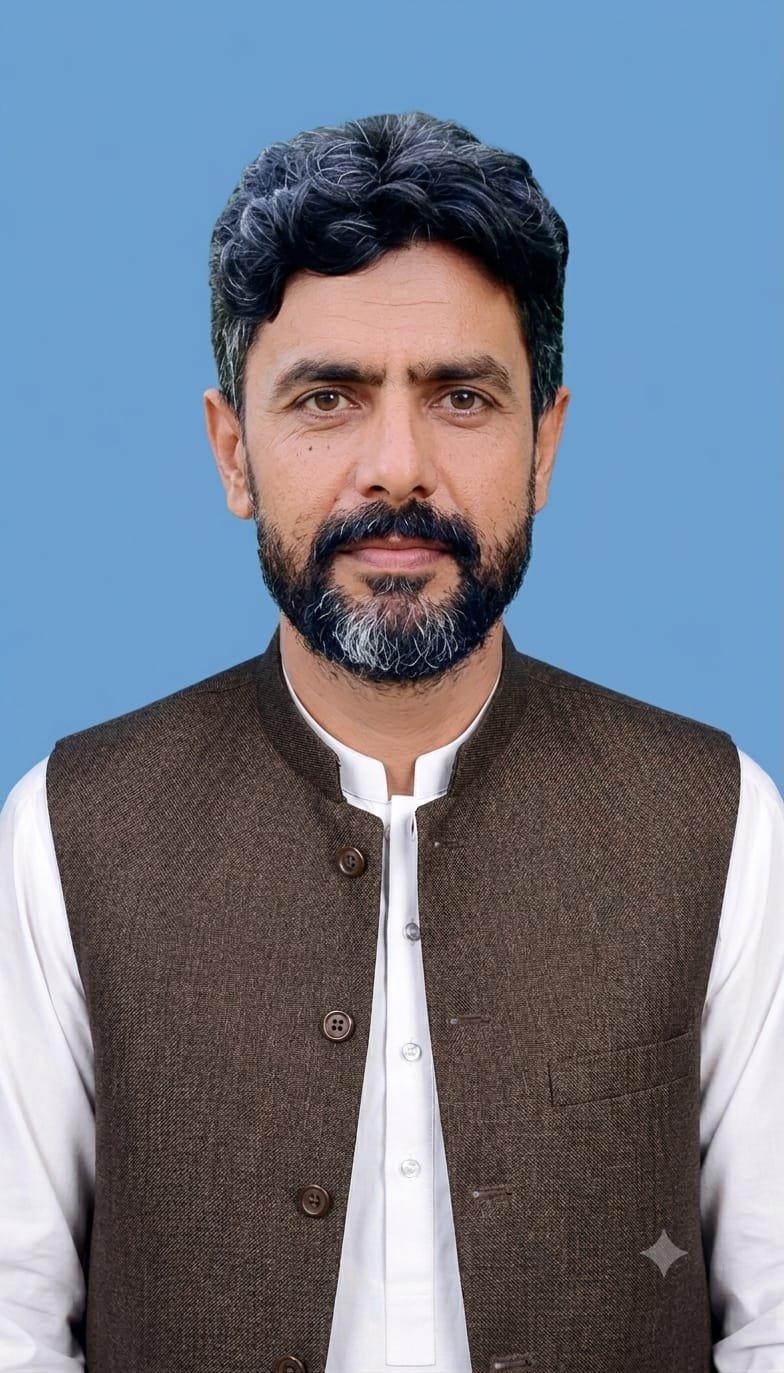
Dr. Shafa ur Rehman
Lecturer · PhD Economics, PMAS Arid Agriculture University — Poverty, Monetary Policy
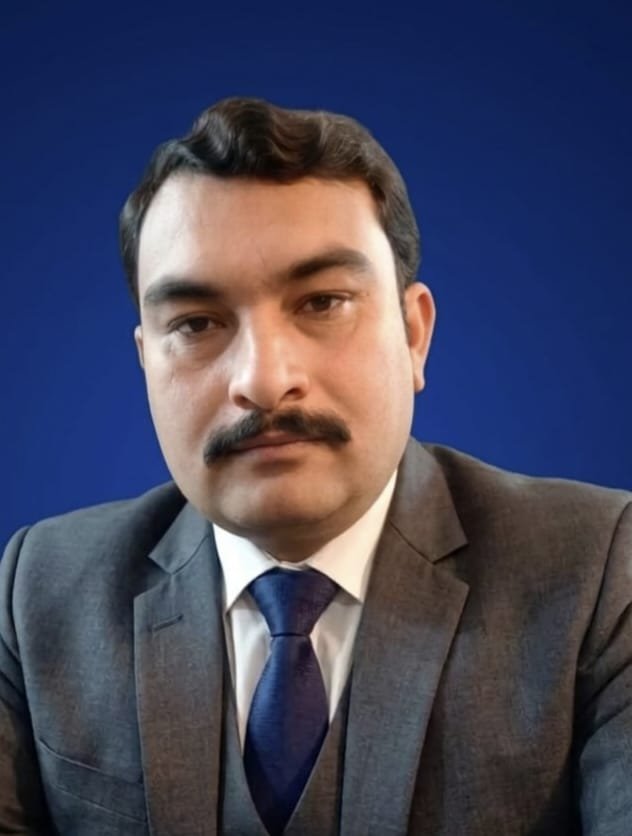
Rana Masood Anwar Tariq
Lecturer · M.Phil. Economics, International Islamic University Islamabad — Agriculture Economics, Poverty, Econometrics
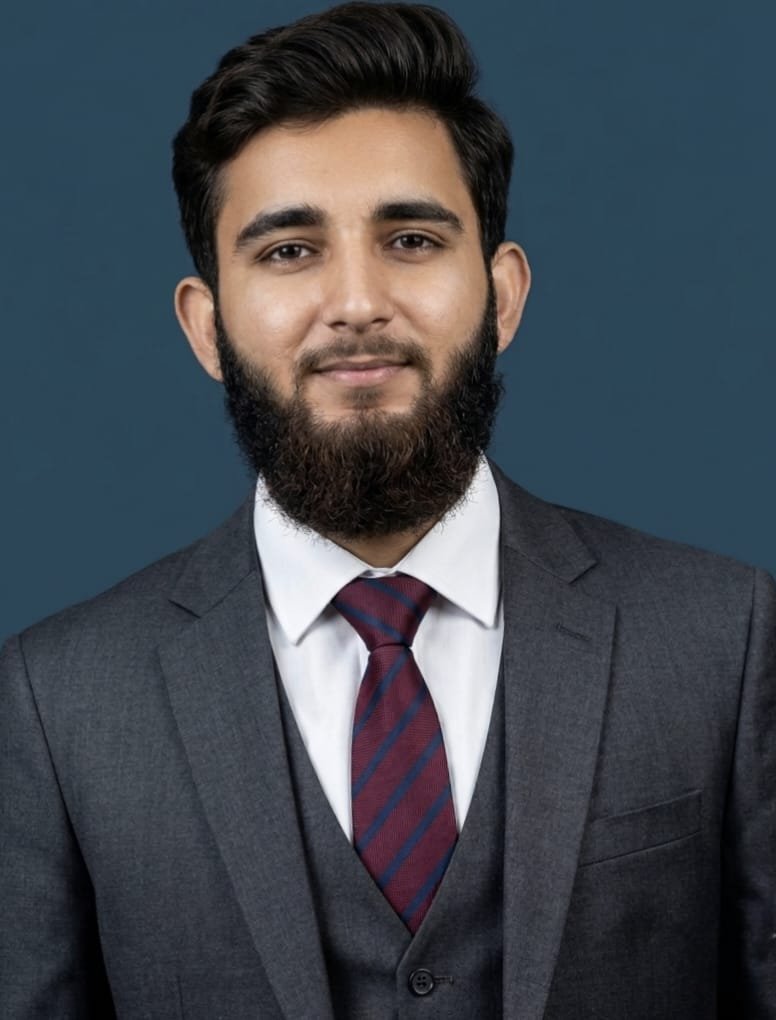
Muhammad Irfan Siddique
Lecturer · M.Phil. QAU, Gold Medalist IIUI, PPSC Topper — Applied Econometrics, Islamic Banking & Finance, Macroeconomics
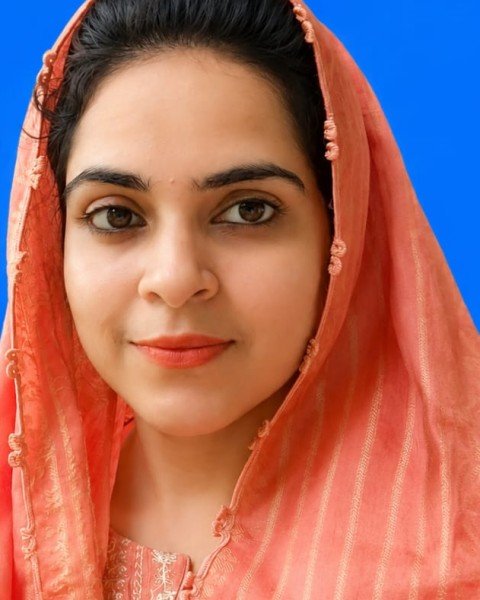
Mrs. Sundas Anis
Lecturer · M.Phil. Economics, QAU Islamabad — Labour, Micro & Macroeconomics
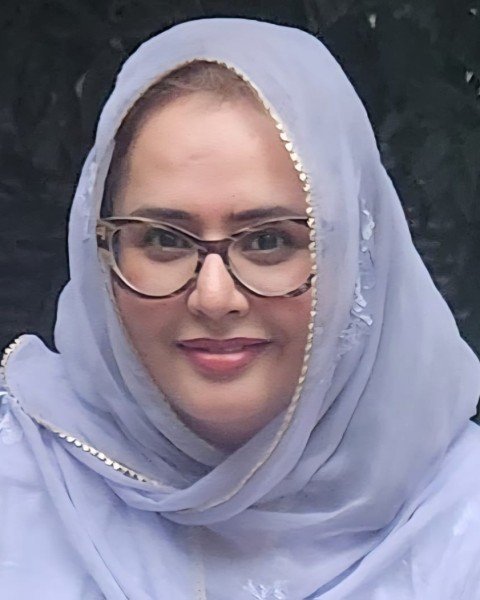
Aneela Bibi
Lecturer · PhD in progress (PIDE), M.Phil. QAU — Development Economics, Labour Economics
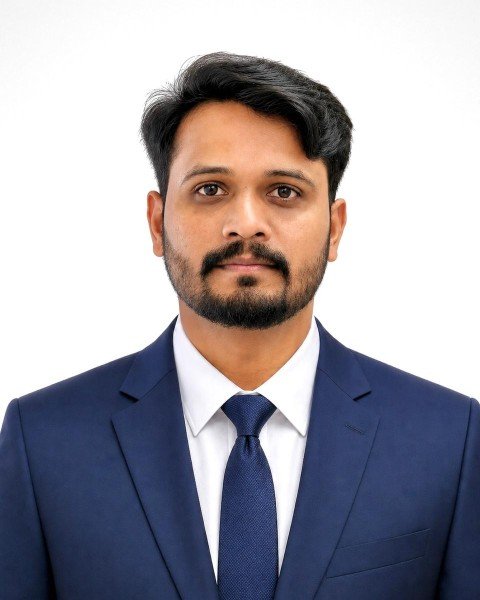
Sheraz Ahmed
Lecturer · M.Phil. Economics — Microeconomics, Macroeconomics, Agriculture Economics
Admissions · Session 2026
BS Economics
Why Study Economics Here
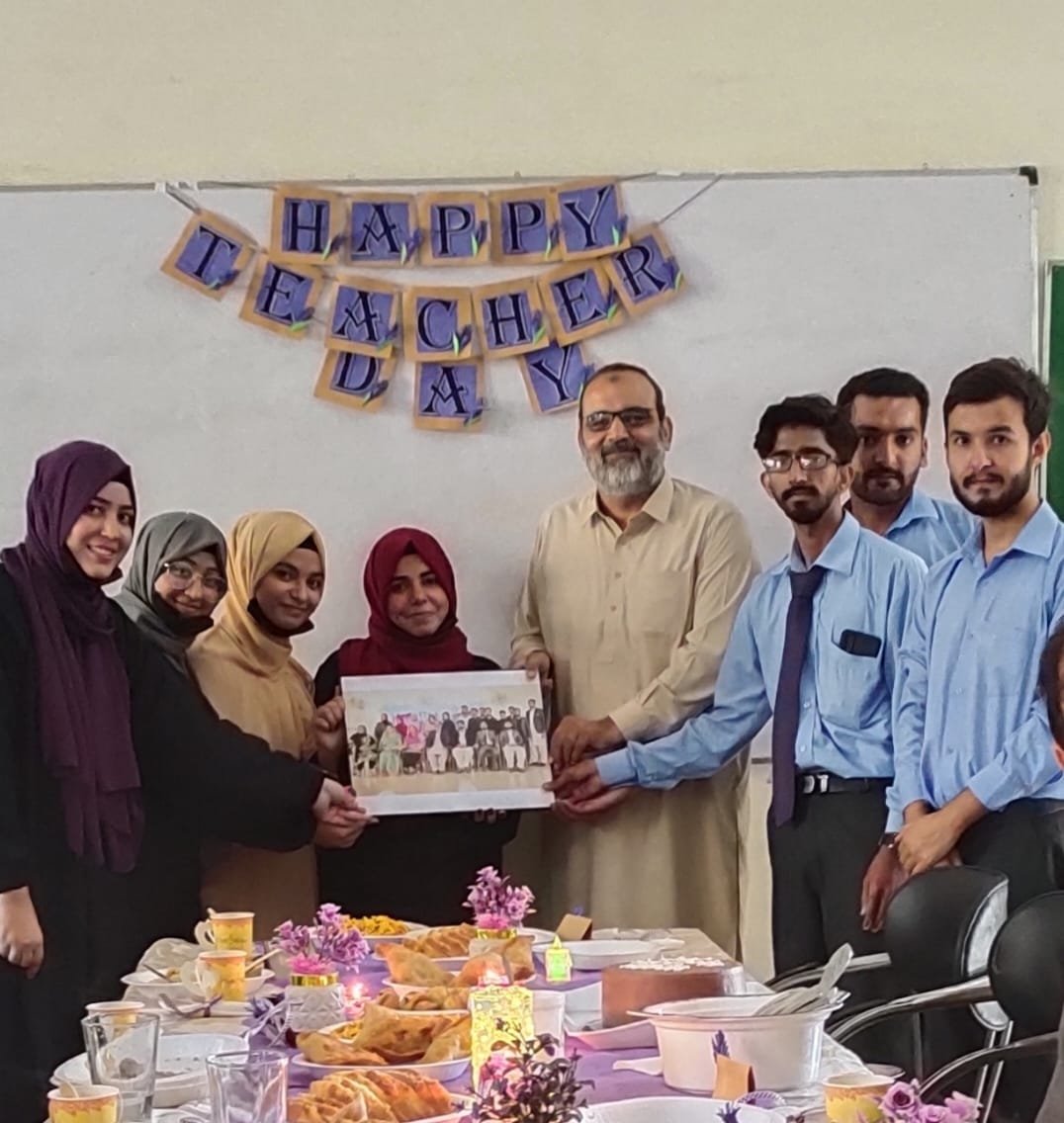
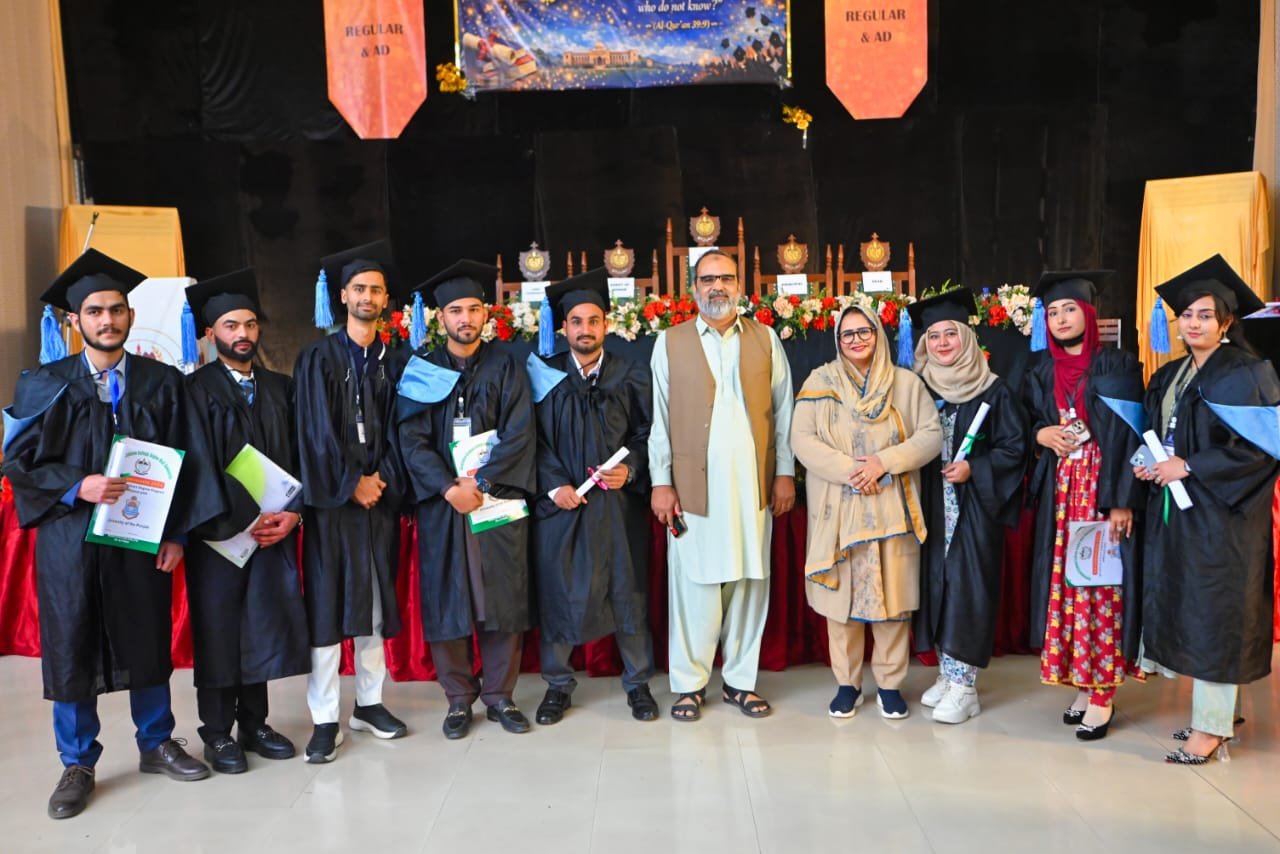
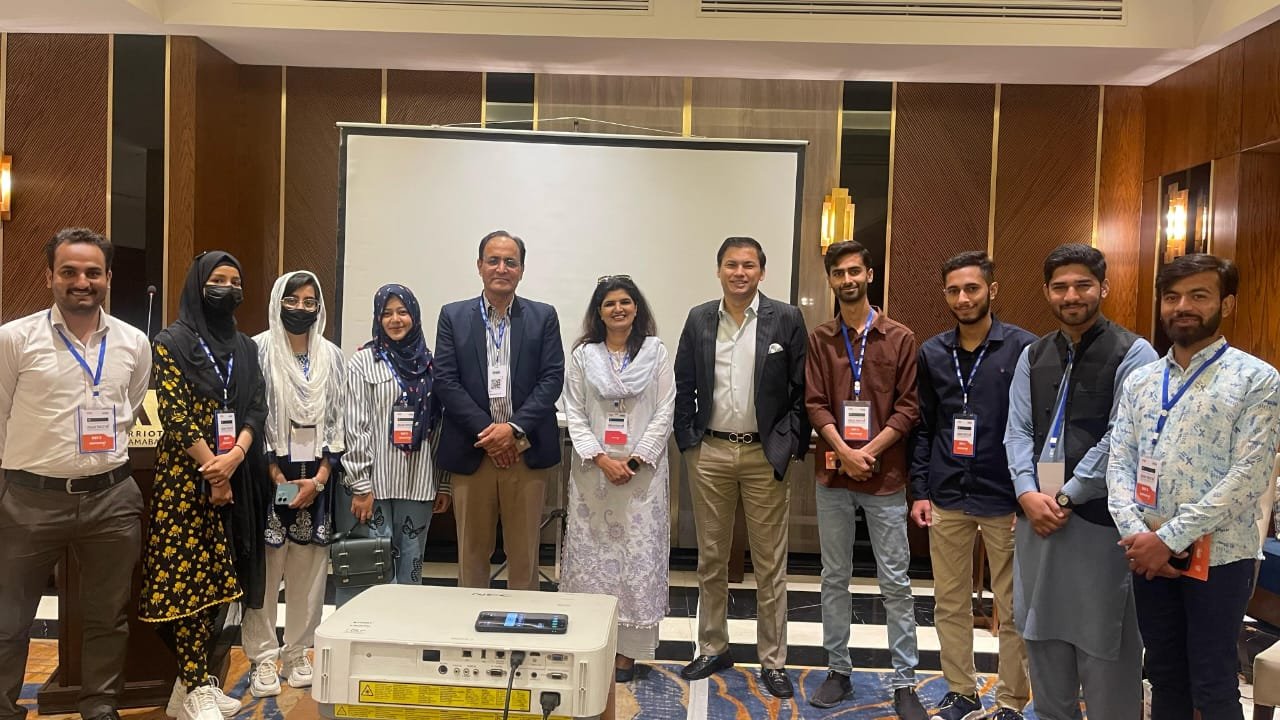
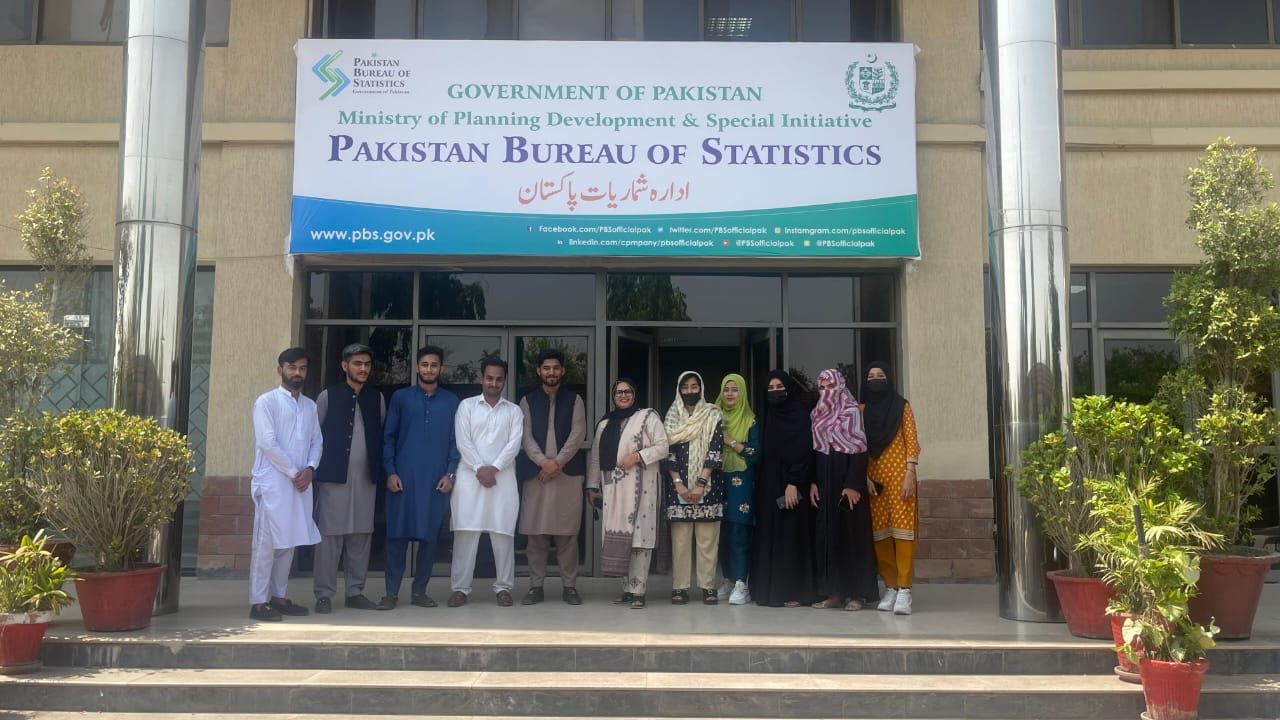
Faculty research spans macroeconomics, development economics, public finance, environmental and international economics, and labour economics, with students trained in EViews, STATA, SPSS, and MS Excel for applied analysis; an ADP Economics (2-year) track with a required dissertation is also offered alongside the BS. The department marked its first BS convocation in 2024, the same year one of its students won the Gold Medal in Economics at the University of the Punjab's 132nd Convocation, alongside a growing record of student engagement — from the RAASTA-PIDE International Conference to a study tour of the Pakistan Bureau of Statistics. Alumni include Dr. Muhammad Idrees (Quaid-i-Azam University), Dr. Nisar Ahmad (Sultan Qaboos University, Oman), Dr. Abdul Jalil (National Defence University), Dr. Sadaf Shahab (FUUAST), Dr. Atif Ali Jaffri (University of Gujrat), and Zaheer-ud-Din Babar Awan, former Federal Minister for Law.
Photos
Curriculum
Scheme of Studies — BS Economics
The University of the Punjab course scheme for this programme. Courses are allotted to each semester by the department. Filter or search below.
Choose a semester (or another filter) above to view the courses for that semester.
| Sem | Code | Course Title | Scheme | Current Instructor |
|---|---|---|---|---|
| 1 | COMP-111 | Computer (Introduction and Applications) | Old | — |
| 1 | ECON-101 | Principles of Micro Economics | Old | — |
| 1 | ECON-103 | Principles of Microeconomics | New | Muhammad Irfan Siddique |
| 1 | ECON-104 | Principles of Macroeconomics | New | Sundas Anis |
| 1 | ENG-111 | English-I (Language in Use) | Old | — |
| 1 | GE-160 | Applications of Information and Communication Technologies | New | — |
| 1 | GE-160L | Applications of Information and Communication Technologies (Lab) | New | — |
| 1 | GENG-101 | Functional English | New | — |
| 1 | GQR-101 | Quantitative Reasoning (I) | New | — |
| 1 | HQ-001N | Fehm-e-Quran | New | — |
| 1 | ISE-111 | Islamiat/Ethics | Old | — |
| 1 | MATH-111 | Elementary Mathematics-1 (Algebra) | Old | — |
| 1 | STAT-101 | Statistics-I | Old | — |
| 1 | STAT-102 | Statistics Lab- I | Old | — |
| 2 | ECON-102 | Principles of Macro Economics | Old | — |
| 2 | ECON-206 | Intermediate Macroeconomics | New | — |
| 2 | ECON-208 | Islamic Economics | New | — |
| 2 | ENG-112 | English-II (Academic Reading and Writing) | Old | — |
| 2 | GENT-101 | Entrepreneurship | New | — |
| 2 | GICP-101 | Ideology and Constitution of Pakistan | New | — |
| 2 | GQR-201 | Quantitative Reasoning (II) | New | — |
| 2 | HQ-002N | Fehm-e-Quran | New | — |
| 2 | IR-111 | International Relations | Old | — |
| 2 | MASS-111 | Mass Communication | Old | — |
| 2 | PST-111 | Pakistan Studies | Old | — |
| 2 | SAPY-211 | Introduction to Psychology (SS) | New | — |
| 2 | STAT-103 | Statistics-II | Old | — |
| 2 | STAT-104 | Statistics Lab- II | Old | — |
| 3 | AHIS-122 | World History | New | — |
| 3 | ECON-201 | Intermediate Micro Economics | New | — |
| 3 | ECON-202 | Development Economics | New | — |
| 3 | ECON-207 | Research Methods - I | New | Masood Anwar Tariq |
| 3 | ECON-209 | Mathematical Economics | New | Nayyar Abbas |
| 3 | ECON-210 | Development Economics - I | New | Dr. Usman |
| 3 | ENG-211 | English-III (Communication Skills) | New | — |
| 3 | FHQ 01 | Fahm ul Quran | New | — |
| 3 | GENG-201 | Expository Writing | New | — |
| 3 | GPST-201 | Pakistan Studies. | New | — |
| 3 | HQ-003 | Tarjuma-e-Quran | New | — |
| 3 | HR-212 | Human Resource Development | New | — |
| 3 | MATH-211 | Elementary Mathematics-II (Calculus) | New | — |
| 3 | PHIL-211A | Introduction to Philosophy (Rev) | New | — |
| 4 | ECON-203 | Intermediate Macro Economics | Old | — |
| 4 | ECON-204 | Agriculture Economics | Old | — |
| 4 | ECON-205 | Intermediate Microeconomics | New | — |
| 4 | ECON-211 | Major Issues in Pakistan Economy | New | — |
| 4 | ECON-319 | History of Economic Thought | New | — |
| 4 | ELEC-S4-1 | General Elective (Natural Sciences) | New | — |
| 4 | ELEC-S4-2 | Islamic Studies GISL-101 / Ethics (For Non-Muslims) GETH-101 | New | — |
| 4 | ENG-212 | English-IV (English for Practical Aims) | Old | — |
| 4 | GCCE-201 | Civics and Community Engagement | New | — |
| 4 | GEOG-211 | Introduction to Geography | Old | — |
| 4 | HQ-004 | Tarjuma-e-Quran | New | — |
| 4 | POL-211 | Introduction to Political Science | Old | — |
| 4 | SOC-211 | Introduction to Sociology | Old | — |
| 5 | DECS 301 | Quantitative Decision Science | New | Dr. Irfan Nazir |
| 5 | ECN 332 | Money Banking and Financial Institution | New | Sheraz Ahmed |
| 5 | ECON-301 | Micro Economics | Old | — |
| 5 | ECON-302 | Econometrics I | Old | — |
| 5 | ECON-303 | Mathematical Economics-I | Old | — |
| 5 | ECON-304 | General Equilibrium and Welfare Economics | Old | — |
| 5 | ECON-305 | Labor Economics | Old | — |
| 5 | ECON-314 | Advanced Microeconomics | New | Rana Touseef Nisar |
| 5 | ECON-318 | Research Methods- II | New | Tehmina Yasmin |
| 5 | ECON-319-2 | History of Economic Thought | New | — |
| 5 | ECON-320 | Econometrics-I | New | Nayyar Abbas |
| 5 | ECON-323 | Advanced Macroeconomics | New | — |
| 5 | ECON-327 | Comparative Economic System | New | — |
| 5 | HQ-005 | Tarjuma-e-Quran | New | — |
| 5 | MGT 123 | Principles of Accounting | New | Sundas Anis |
| 5 | URDU-311 | Functional Urdu | Old | — |
| 6 | ECON | Interdisciplinary | New | — |
| 6 | ECON-2 | Interdisciplinary | New | — |
| 6 | ECON-3 | Elective - II | New | — |
| 6 | ECON-306 | Macro Economics | Old | — |
| 6 | ECON-307 | Econometrics II | Old | — |
| 6 | ECON-308 | Mathematical Economics II | Old | — |
| 6 | ECON-309 | Population Economics | Old | — |
| 6 | ECON-310 | Major Issues in Pakistan Economy | Old | — |
| 6 | ECON-325 | Econometrics - II | New | — |
| 6 | ECON-4 | Advanced Macroeconomics | New | — |
| 6 | HQ-006 | Tarjuma-e-Quran | New | — |
| 7 | ECN 437 | General Equilibrium and Welfare Eco | New | Shafa ur Rehman |
| 7 | ECON 405 | Econometrics 2 | New | — |
| 7 | ECON 405 A | Econometrics 2 | New | — |
| 7 | ECON 406 | Dev Eco 2 | New | — |
| 7 | ECON 411 | Public Sector Economics | New | Tehmina Yasmin |
| 7 | ECON 413 | Managerial Economics | New | — |
| 7 | ECON 414 | Major issues of Pakistan Economy | New | Tehmina Yasmin |
| 7 | ECON 415 | Development Economics 2 | New | Aneela Bibi |
| 7 | ECON 418 | Islamic Banking | New | — |
| 7 | ECON 435 | Islamic Banking and Finance | New | Muhammad Irfan Siddique |
| 7 | ECON- | Elective - VI | New | — |
| 7 | ECON--2 | Elective - V | New | — |
| 7 | ECON--3 | Elective - IV | New | — |
| 7 | ECON-324 | Monetary Economics | New | — |
| 7 | ECON-401 | Public Sector Economics | Old | Masood Anwar Tariq |
| 7 | ECON-405 | Econometrics | Old | Dr. Irfan Nazir |
| 7 | ECON-409 | Project Appraisal and Investment Analysis | Old | Rana Touseef Nisar |
| 7 | ECON-411 | Public Sector Economics | New | — |
| 7 | ECON-413 | Managerial Economics | Old | Dr. Usman |
| 7 | ECON-418 | Islamic B F | Old | Sheraz Ahmed |
| 7 | ELEC-S7-1 | Fieldwork / Intership | New | — |
| 7 | HQ-007 | Tarjuma-e-Quran | New | — |
| 8 | ECON--4 | Elective - IX | New | — |
| 8 | ECON--5 | Elective - VIII | New | — |
| 8 | ECON--6 | Elective - VII | New | — |
| 8 | ECON-406 | Applied Economics | Old | — |
| 8 | ECON-443 | International Trade - Theory & Policy | New | — |
| 8 | ELEC-S8-1 | Capstone Project | New | — |
| 8 | ELEC-S8-1 | Islamic Economics ECON -407 | Old | — |
| 8 | ELEC-S8-2 | Research Paper ECON -408 | Old | — |
| 8 | ELEC-S8-3 | Fiscal Policy ECON -409 | Old | — |
| 8 | HQ-008 | Tarjuma-e-Quran | New | — |
No courses match your filters.