Departmental Ledger
At a Glance
Career Paths
Government Graduate College Asghar Mall, Rawalpindi · est. 1948
Urdu here is treated as a living field — the national language, yes, but also a discipline of criticism, culture and ideas that shapes how students read the world and how they write about it. The department grew out of the University of the Punjab's long-running master's programme and now runs a four-year, research-focused BS in Urdu. Nine teachers carry out that work — five with PhDs and four with MPhil degrees, some still completing their doctorates — giving students the kind of close, university-level supervision that isn't common at an affiliated college.
Vision: A leading centre for the study of Urdu literature and linguistics — drawing on a strongly qualified doctoral faculty to develop critical thinking, creative expression and high-standard research, connecting a rich literary heritage to the opportunities students will actually meet.
Mission: Run a research-driven BS in Urdu bringing together classical literature, modern prose and poetry, critical theory and advanced linguistics; hold on to the depth of the Master's-era culture — close reading, one-to-one research mentoring; close the distance between traditional literature and modern media work so students leave with practical translation, content and technical writing skills; and keep a lively literary and cultural life on campus.
Also Offered: Lateral Entry (Post Associate Degree)
BS Urdu — 5th Semester (Lateral Entry) — direct entry into 5th semester for students who've completed an Associate Degree (Associate Degree (B.A./B.Sc., 4 Semesters) or equivalent), rather than starting BS from 1st semester.
Remaining Duration: 2 Years (Semester 5–8)
The Faculty
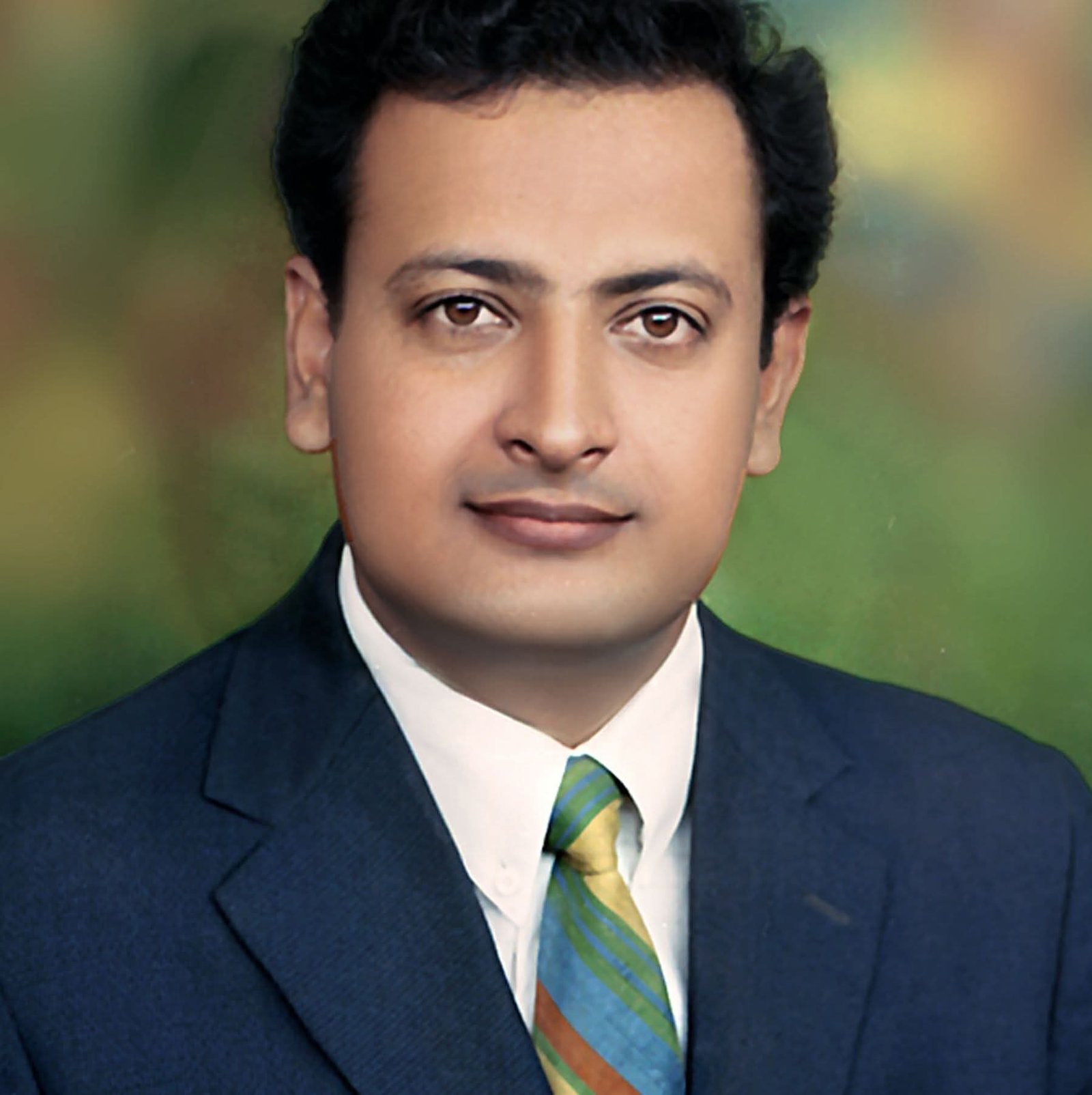
Dr. Zulfiqar Ali
Head of Department / Associate Professor · Ph.D. — Tanz-o-Mizah (Humor & Satire)
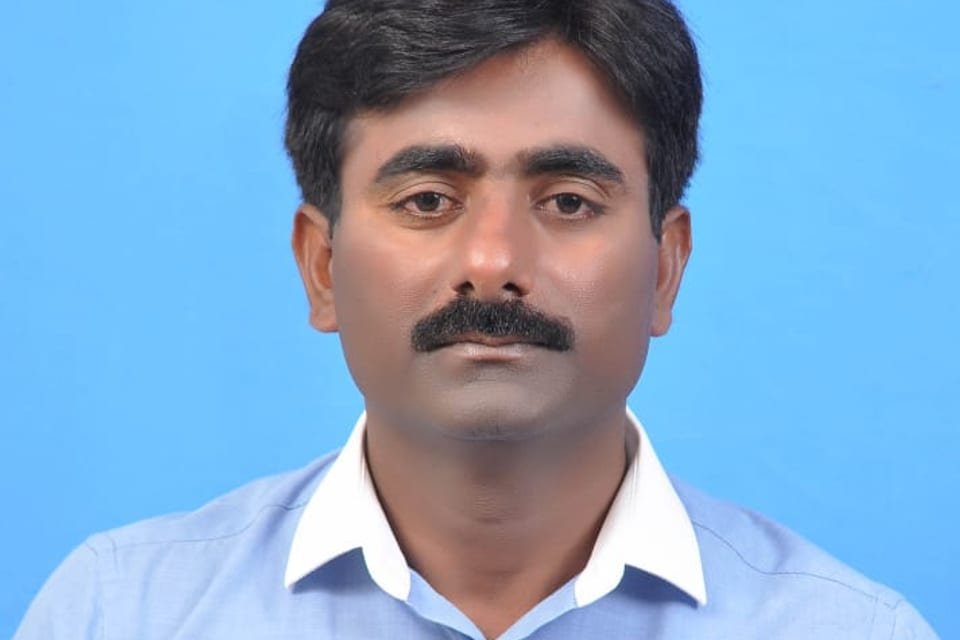
Dr. Bashir Ahmad
Associate Professor · Ph.D. — Fiction & Modern Criticism
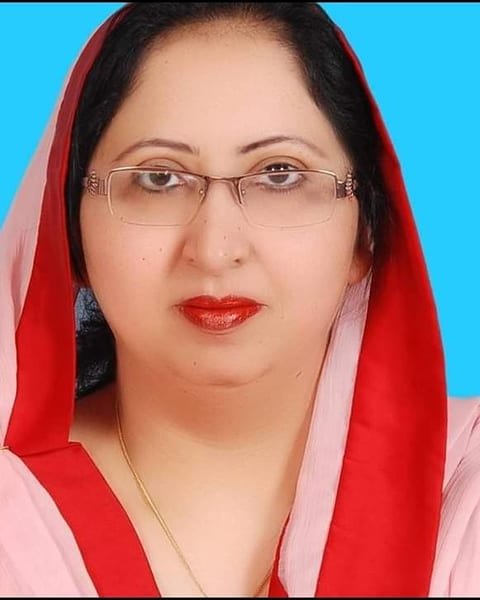
Dr. Uzma Shoukat
Associate Professor · Ph.D. — Fiction
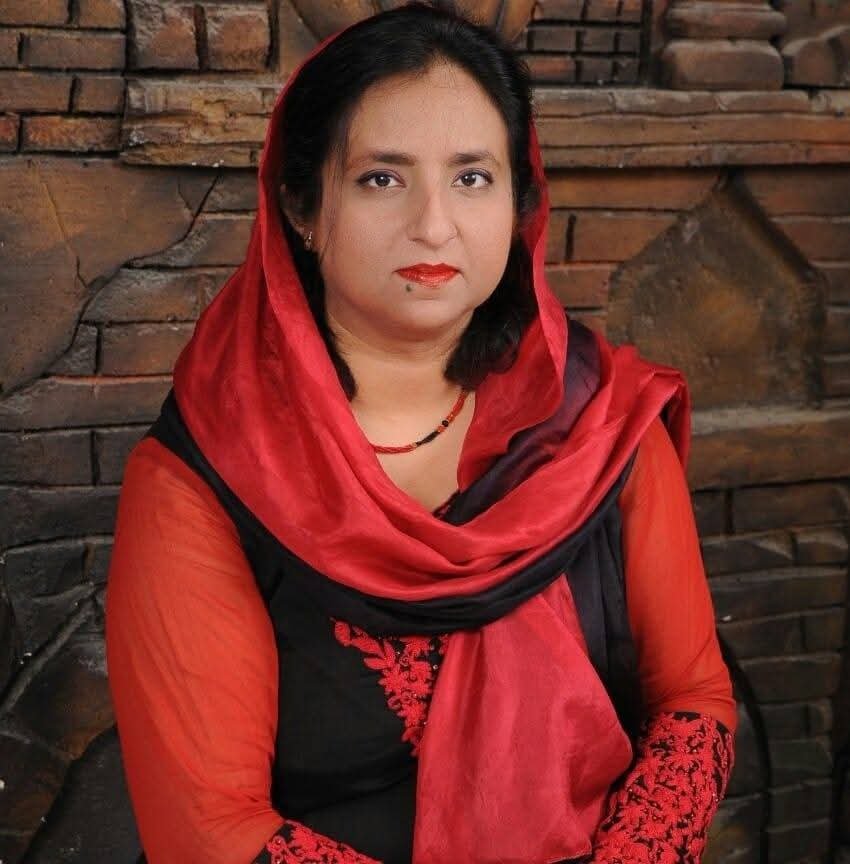
Dr. Ayisha Hameed
Associate Professor · Ph.D. — Iqbaliyat, Literary History and Feminist Critical Study
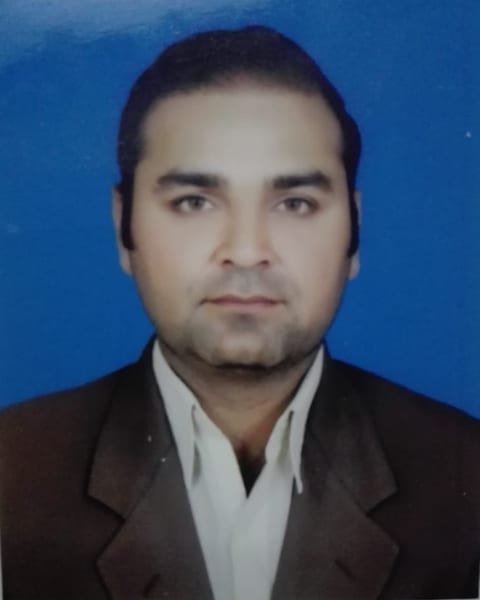
Muhammad Usman Waseem
Assistant Professor · M.Phil. — Ghalibiyat, Modern Urdu Poem, Fiction, Mass Communication & Journalism
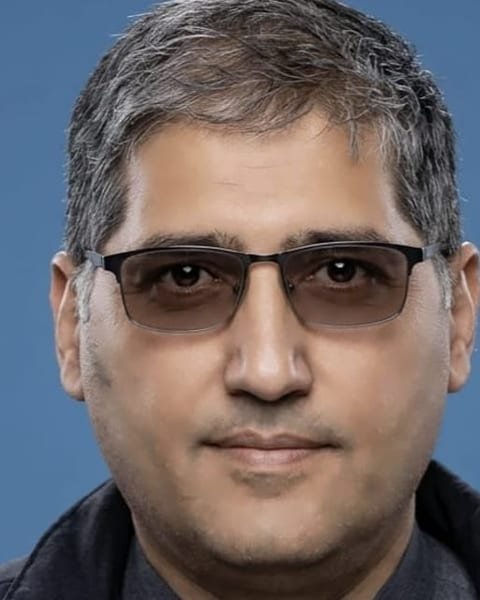
Abdul Quddus
Assistant Professor · M.Phil. — Linguistic Philosophy & Translation Studies
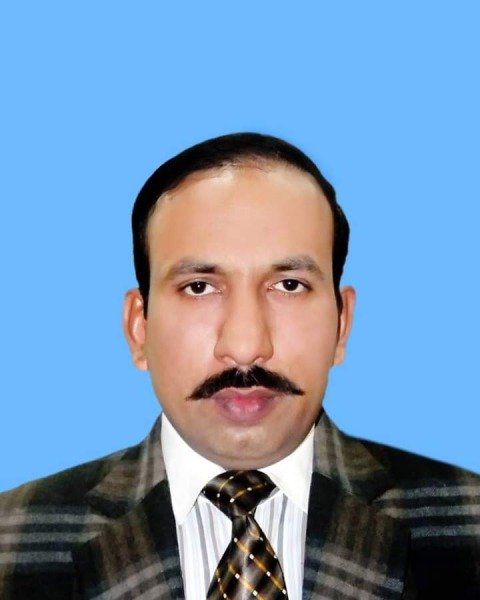
Dr. Tariq Ilyas
Assistant Professor · Ph.D. — Iqbaliyat, Poetry, and Modern Poem
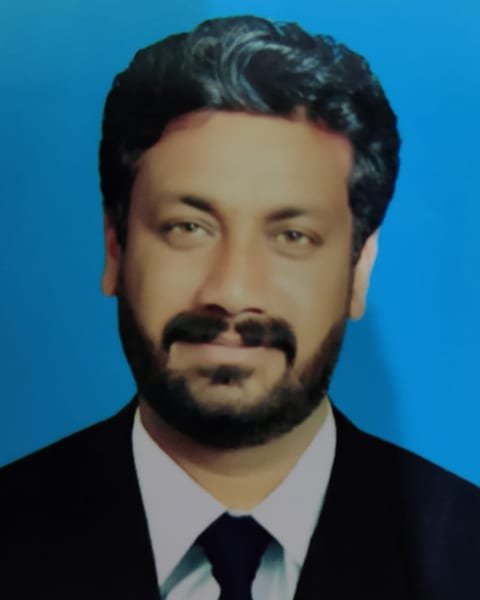
Ulfat Abbas
Assistant Professor · M.Phil. (Ph.D. Scholar) — Poetry
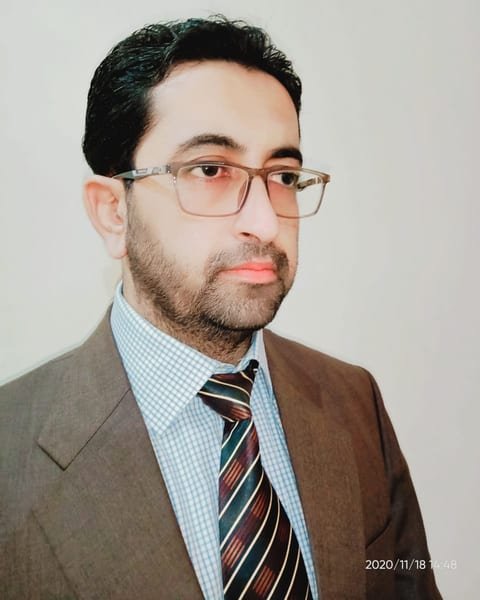
Khalid Mehmood
Assistant Professor · M.Phil. — Fiction
Admissions · Session 2026
BS Urdu
Why Study Urdu Here
Urdu sits in the middle of Pakistan's fast-growing creative economy, media, and digital industry. The department maintains a dedicated Urdu resource library, access to manuscripts and rare texts for hands-on textual editing, and regularly-used seminar halls for book launches and guest lectures. Its literary society Bazm-e-Adab runs creative-writing workshops and speech contests, alongside an annual Mushaira bringing national poets together with student voices, and departmental book launches. On-campus hostel space is available for male students. BS Urdu theses are supervised closely by doctoral staff — the department has approved 42 research theses to date, spanning classical and contemporary criticism.
Curriculum
Scheme of Studies — BS Urdu
The University of the Punjab course scheme for this programme. Courses are allotted to each semester by the department. Filter or search below.
Choose a semester (or another filter) above to view the courses for that semester.
| Sem | Code | Course Title | Scheme |
|---|---|---|---|
| 1 | BSU-101 | Urdu Language: Formation and Evolution | New |
| 1 | BSU-102 | Poetic Genres: Introduction & Understanding | New |
| 1 | COMP-111 | Computer (Introduction Application) | Old |
| 1 | ECON-111 | Fundamentals of Economics | Old |
| 1 | ENG-111 | English-I (Language in Use) | Old |
| 1 | GCCE-101 | Civics and Community Engagement | New |
| 1 | GENG-101 | Functional English | New |
| 1 | GISL-101 / GETH-101 | Islamic Studies / Ethics (for Non-Muslims) | New |
| 1 | HQ-001N | Fehm-e-Quran | New |
| 1 | ISE-111 | Islamiat/Ethics | Old |
| 1 | NHPY-110 | What is Science? (NS) | New |
| 1 | URDU-101 | Urdu Zuban-Tashkeel o Irtaka | Old |
| 1 | URDU-102 | Urdu Zuban- Qawad o Imla | Old |
| 2 | BSU-103 | Prose Genres: Introduction and Understanding | New |
| 2 | BSU-104 | Literary Terms | New |
| 2 | ELEC-S2-1 | Fundamentals of Psychology APSY -111 | Old |
| 2 | ELEC-S2-1 | General Elective (Arts & Humanities) | New |
| 2 | ENG-112 | English-II (Academic Reading and Writing) | Old |
| 2 | GENT-101 | Entrepreneurship | New |
| 2 | GICP-101 | Ideology and Constitution of Pakistan | New |
| 2 | GQR-101 | Quantitative Reasoning (I) | New |
| 2 | HQ-002N | Fehm-e-Quran | New |
| 2 | MATH-111 | Elementary Mathematics - I (Algebra) | Old |
| 2 | PST-111 | Pakistan Studies | Old |
| 2 | URDU-103 | Shairi Isnaaf -Taruf o Tafheem-I | Old |
| 2 | URDU-104 | Bayan o Badi Arooz | Old |
| 3 | BSU-201 | Styles of Urdu Prose: Humor, Travelogue, Autobiography | New |
| 3 | BSU-202 | Research and Criticism: Basic Concepts | New |
| 3 | BSU-203 | Grammar and Composition | New |
| 3 | ENG-211 | English-III (Communication Skills) | Old |
| 3 | GENG-201 | Expository Writing | New |
| 3 | GICT-201 | Applications of Information and Communication Technologies | New |
| 3 | GPST-201 | Pakistan Studies. | New |
| 3 | HQ-003 | Tarjuma-e-Quran | New |
| 3 | PHIL-211A | Introduction to Philosophy (Rev) | Old |
| 3 | STAT-211 | Elementary Statistics | Old |
| 3 | URDU-201 | Shairi Isnaaf - Taruf o Tafheem-II | Old |
| 3 | URDU-202 | Adabi Istalahaat | Old |
| 3 | URDU-203 | Nasri Isnaaf- Taruf o Tafheem-I | Old |
| 4 | BSU-204 | Urdu Journalism, Magazines & Journals | New |
| 4 | BSU-205 | Urdu Theater and Drama | New |
| 4 | BSU-206 | Short Stories of the World | New |
| 4 | ELEC-S4-1 | General Elective (Social Sciences) | New |
| 4 | ENG-212 | English-IV (English for Pract. Aims) | Old |
| 4 | GQR-201 | Quantitative Reasoning (II) | New |
| 4 | GS-211 | General Science | Old |
| 4 | HQ-004 | Tarjuma-e-Quran | New |
| 4 | SOC-211 | Introduction to Sociology | Old |
| 4 | URDU-204 | Nasri Isnaaf - Taruf o Tafheem-II | Old |
| 4 | URDU-205 | Tehqeeq o Tanqeed (Bunyadi Mubahas) | Old |
| 4 | URDU-206 | Tehreer o Insha (Practice) | Old |
| 5 | BSU-301 | Urdu Dastan and Novel: Themes and Art | New |
| 5 | BSU-302 | Thematic and Artistic Study of Urdu Ghazal | New |
| 5 | BSU-303 | Special Study of Mir o Ghalib | New |
| 5 | HQ-005 | Tarjuma-e-Quran | New |
| 5 | IDWS-300 | Linguistics | New |
| 5 | IDWS-301 | A Study of Persian Poetry | New |
| 5 | URDU-301 | Urdu dasstan aur naawal: faqri o funny mubahas | Old |
| 5 | URDU-302 | Urdu Gazal ka fiqri o funny mutaila | Old |
| 5 | URDU-303 | Tarikh adab urdu aur adbi tehrikaay | Old |
| 5 | URDU-307 | Urdu fkshan may tariki o tehzibi shaur | Old |
| 6 | BSU-304 | Urdu Poem: Thematic and Artistic Study | New |
| 6 | BSU-305 | History of Urdu Literature: From Beginning to 19th Century | New |
| 6 | BSU-306 | Principles of Research and Editing | New |
| 6 | HQ-006 | Tarjuma-e-Quran | New |
| 6 | IDWS-302 | Teaching of Urdu | New |
| 6 | IDWS-303 | World Novel | New |
| 6 | URDU-304 | Urdu afsaana aur drama: fiqri o funny mutaila | Old |
| 6 | URDU-305 | Bisvey saadi may nawal ka irtaka aur es kay fiqri o funny mubahas | Old |
| 6 | URDU-306 | Urdu nazam: fiqri o funny mutaila | Old |
| 6 | URDU-308 | Pakistan may farogh urdu kay aham adaray | Old |
| 7 | BSU-402 | Special Study of Iqbal | New |
| 7 | BSU-403 | Urdu Short Story | New |
| 7 | BSU-404 | Hisotry of Urdu Literature: 20th Century | New |
| 7 | BSU-405 | Comtemporary Poetic Literature | New |
| 7 | HQ-007 | Tarjuma-e-Quran | New |
| 7 | INT-401 | Fieldwork / Intership | New |
| 7 | URDU-401 | Lasaniyaat | Old |
| 7 | URDU-402 | Asoolay Tehqiqu o Tadveen | Old |
| 7 | URDU-403 | Research work | Old |
| 7 | URDU-409 | Urdu adab ka ta niysi mutila | Old |
| 7 | URDU-410 | Urdu adab kay muntakhib komi o byno ul aqwami marakaz | Old |
| 8 | BSU-406 | Capstone Project/Research Work | New |
| 8 | BSU-407 | New Critical Theories | New |
| 8 | BSU-408 | Comtemporary Prose Literature | New |
| 8 | BSU-409 | Modern Urdu Novel | New |
| 8 | BSU-410 | Literary Critcism: West & Urdu Contexts | New |
| 8 | HQ-008 | Tarjuma-e-Quran | New |
| 8 | URDU-405 | Research work | Old |
| 8 | URDU-406 | Naayay tanqidi mubahas | Old |
| 8 | URDU-407 | Iabal ka ka hsoosi mutaila (fiqri o funny mutaila aur tashrey maton) | Old |
| 8 | URDU-408 | Urdu nasar kay asaliyab: mazah safar nama aap biyti | Old |
| 8 | URDU-411 | Urdu adab ki tawarikh ka mutiala | Old |
| 8 | URDU-412 | Urdu adab ka mabed no aabdyati mutila | Old |
No courses match your filters.